Birichino

Home | About | Downloads & Press | Importers

About Us

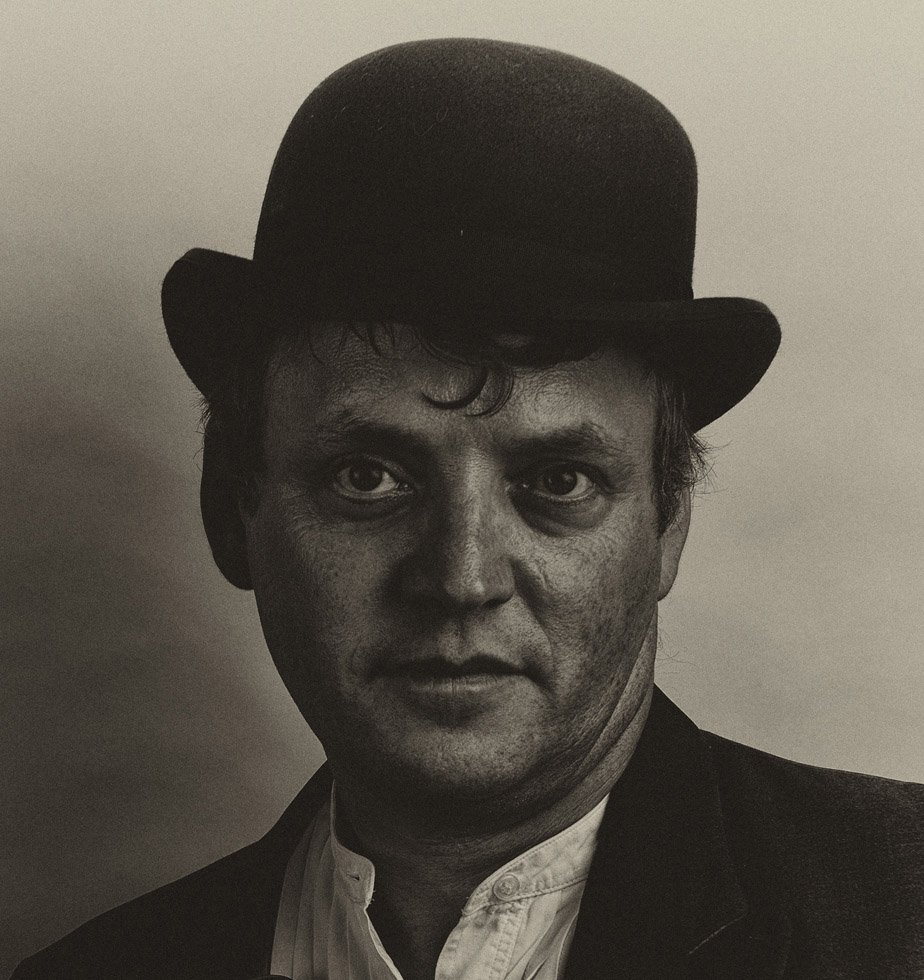
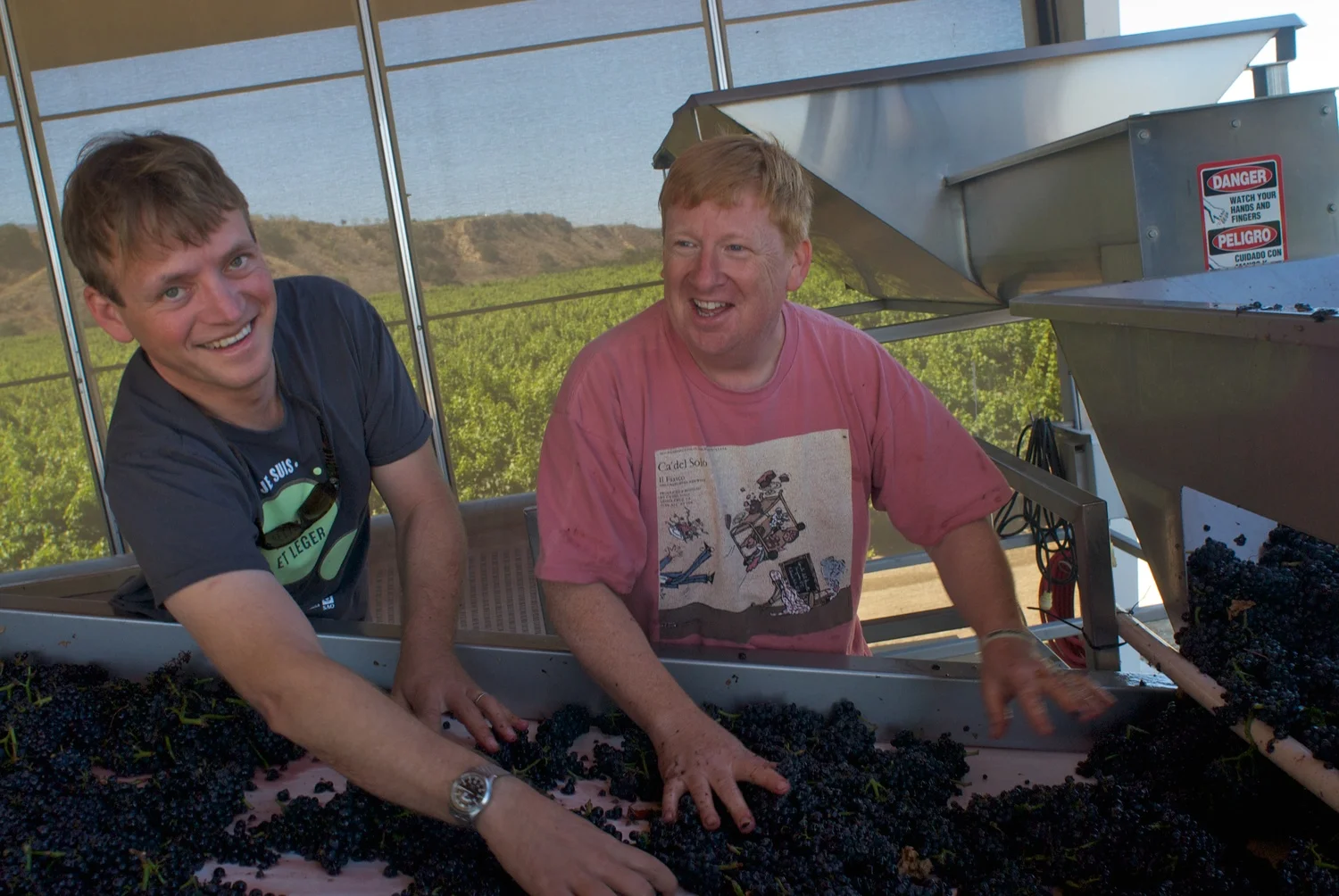
Birichino is committed to producing distinctive, harmonious, highly energetic wines which transcend the casual wine drinkers' typical realm of experience. Founded in Santa Cruz in 2008, and drawing on a combined 35 years making and selling wine in California, France, and Italy, owners and winemakers Alex Krause and John Locke are focused on attaining the perfect balance of perfume, poise, and puckishness with a particular fondness for varieties that provide enormous pleasure and reëstablish a direct connection to the sensual world.

John worked from 1990-2007 with Randall Grahm of Bonny Doon Vineyard, with André Ostertag of Domaine Ostertag in Alsace in 1993, and with a host of small producers across Italy and Southwestern France. Alex started in 1992 with Randall, worked with John in the cellar, and then escaped to the sales side in the later 90's to eventually serve today as Director of Export Sales for Bonny Doon Vineyard.

We are both thankful for the opportunity to pursue what we know and love: to make wine that is distinctive, present it (hopefully) in a way that is fun, engaging, and not intimidating. If we can manage to impart a sense of discovery and excitement about wine to a broad swath of people while we're at it, that's great!

We hope that people will appreciate the wines, too--that in some small measure they will add a little joy to the world. Most especially we hope we can keep pretending we are doing important work, and keep visiting our friends and eating at their restaurants, and keep bring back cheese and other goodies from our wanderings. It's mostly about eating, of course, and making and drinking wine just goes part and parcel along with that.

When we started Birichino, we also wanted to make sure we kept a really good balance of work, family, travel, too, and that management meetings should be as often as possible mountain bike rides in the Santa Cruz mountains. We also made a promise to ourselves to only work with importers and distributors we had enjoyed working with, as life is too short to do otherwise.

About the name- Birichino- biri-kino. We wanted something Italian, and along the lines of the locksmiths here that add additional AAAs onto their names to be the first listed in the telephone directory, we wanted a name that began with A or B. We tried on a few - Alluce was a favorite, meaning Big Toe, but seeming to evoke lightness and air in English. We wanted something with that playfulness, as we are so inclined ourselves, though some things we are deadly serious about. We hit on Birichino, meaning naughty, mischievous partly for the surprising, slightly racy character of our malvasia that leads you on to thinking sweet, and delivers something else entirely. And who doesn't consider themselves just a little bit naughty, after all?

VINEYARDS

Monterey, San Bernabe Vineyard, Malvasia Bianca
Up on a bench on the Western edge of the Salinas Valley in Monterey County, with the Santa Lucia coastal range providing a rain shadow just to the West, this ancient variety has found a fitting home in the New World. San Bernabe is home to a great number of grapes - red and white - but we have found that this particular part of Monterey County is highly suited to aromatic varieties [muscat and riesling also excel here]. This specific selection of Malvasia - which was brought to America in the early 20th century from Calabria in Italy's far south - seems to relish the warm days and cool nights here. At right is a pair of photographs of the vineyard in fog and in bright sunlight that show the dramatic effect of the cool Monterey Bay. That proximity creates a large diurnal temperature variation [the difference between daytime highs and nighttime lows] which aids in preserving the acidity, vibrancy and perfume we so esteem in our Malvasia Bianca.

Central Coast, Besson Vineyard, Grenache
We are tremendously fortunate - on many levels - to have known and worked with George Besson Jr. and his exceptional vineyard for twenty years. George's father purchased the vineyard in 1922 [it was planted in 1910] from reputed bootleggers. [We are honored to continue the long legacy of a commitment to the wine and spirits business at this property.

These non-irragated vines, planted on their own roots, sit on a rocky gentle slope just low enough to disqualify if for the Santa Cruz Mountains appellation. Walking through the vines with George, one senses his deep affection and respect for the land and the vines, and his belief in man's subordinate role to nature in determining the ultimate quality of the grapes grown there. As a consequence of the age of the vines, the lack of irrigation, and the conservative farming practices, the quantity of grapes grown there is quite small - rarely if ever over 2.5 tons/acre, and roughly 2 tons/acre in 2010. Thankfully, Georges Junior and Senior [who still lives in a house surrounded by the 11 acre vineyard] prefer the company of old vines to new neighbors or a vacation home in the tropics, as they appear committed to keeping these geezers producing for a long time to come.

Lodi, Bechthold Vineyard, Cinsault
We love the crisp, aromatic, tangy rosés of Provence [and the lifestyle that affords one the chance to drink them in their native habitat]. So, given the opportunity to work with this head-pruned, non-irrigated, organically farmed cinsault vineyard planted in 1886, as Gustav Eiffel was still putting together his controversial tower in Paris, we started putting together a not so controversial plan for our Provenéal inspired Vin Gris. Grapes from one section of the vineyard typically end up in rich, raspberry coulis scented red wines. We take our grapes from a small section which yields more floral, botanical notes of violet, lavender and spice, ideal for crisp, dry rosé. Farmed lovingly by Kevin Phillips, this 124 year-old cinsault shines as the lead actor in our Vin Gris complemented by George Besson's Grenache and Kevin's neighbor's rolle.

VARIETIES

Malvasia Bianca- A Brief History

It's an ancient variety, and as far as we can tell, worked its way over from the Greek city of Monemvassia (meaning one entrance, Malvasia a corruption of Monemvassia) to Italy, and thence to America in the boots of the naughty Italian who smuggled it into California years ago.

Our particular clone of Malvasia is from southern Italy, Calabria, specifically, which had a long established Greek culture and history before the Roman Empire came on the scene. Among many other things, Calabria is famous for the remains of the ancient city of Sybaris, founded in the 7th Century B.C. by the Achaeans, which became proverbial for its luxury (hence our word sybaritic) but was destroyed in 5th C BC by the people of Croton. They knew how to have a good time, certainly, and were more than a little "birichino"!

It's still used as a variety in Madeira, and in Italy in the north in Asti, and also seen in Vin Santo, and in the south, and everywhere in between but generally is disappearing in favor of more fashionable and productive grape varieties. Yet very few of the clones we've tried of Malvasia Bianca from Italy have anywhere near the incredible perfume and aromatics of this one.

Find us on Facebook


Alex & John Trying To Look Busy 2011

Besson Vineyard Grenache at age 101

Lilo Vineyard Pinot, Santa Cruz Mountains

Saint Georges Vineyard Pinot Cluster, Central Coast

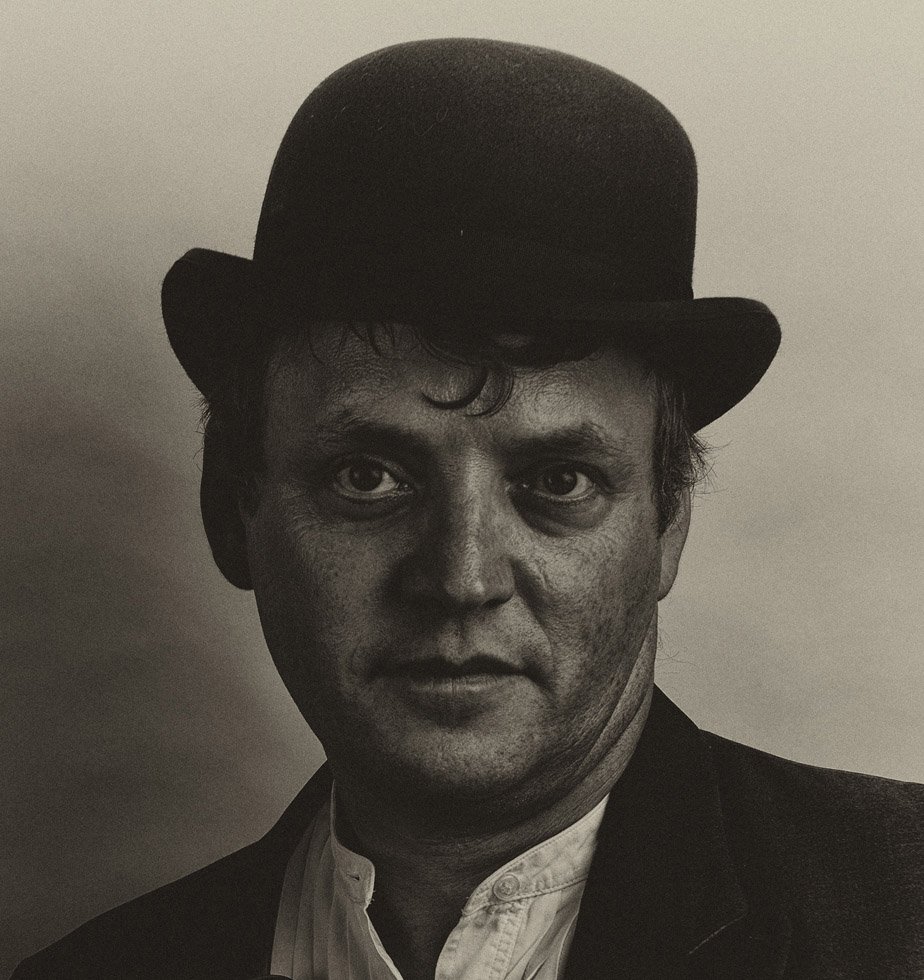
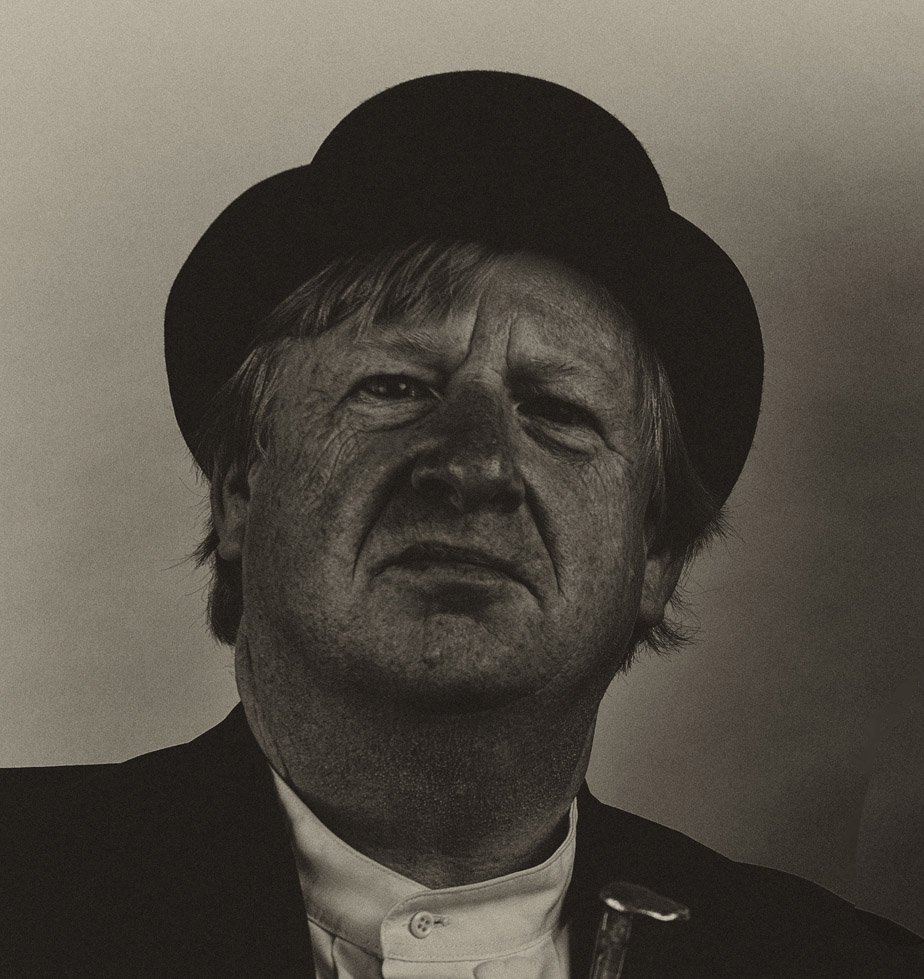
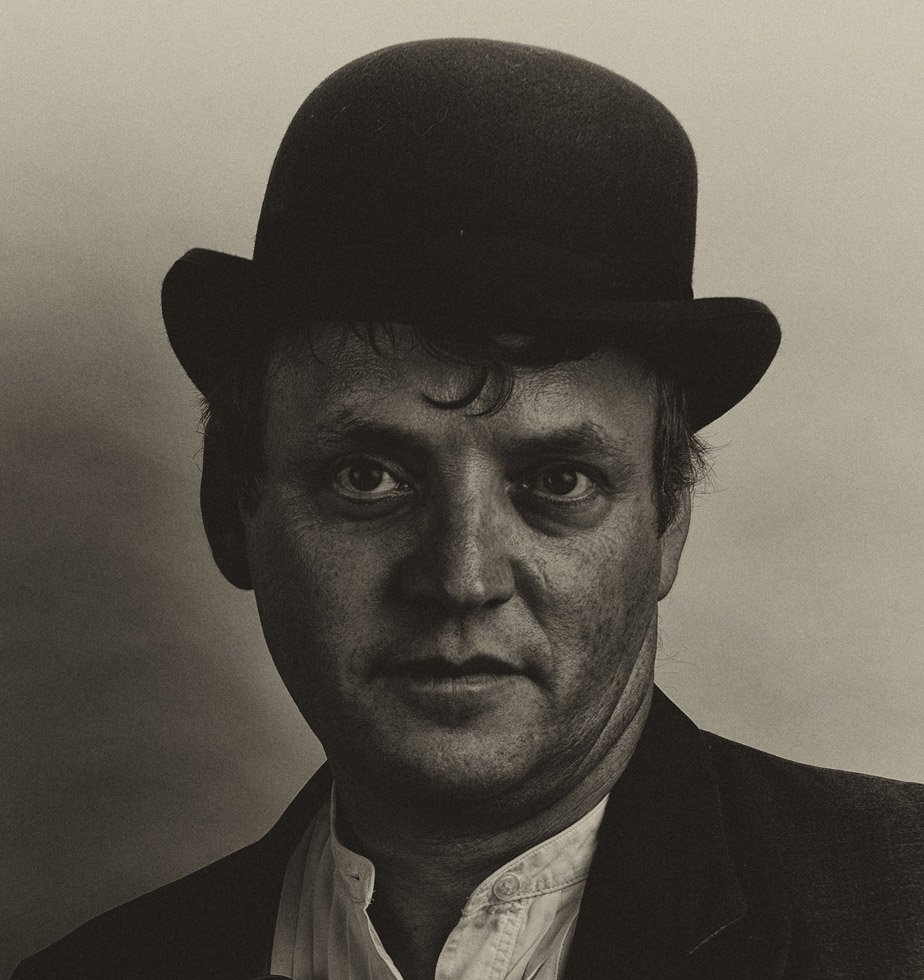
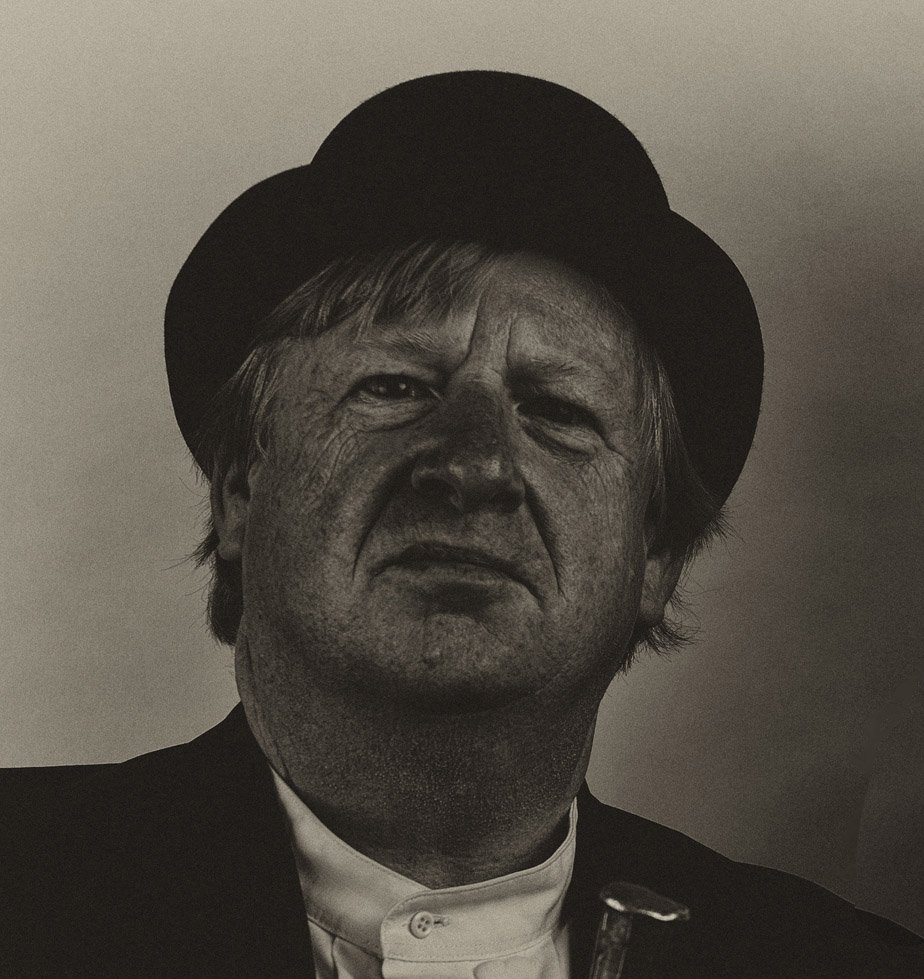
John Locke & Alex Krause

Besson Vineyard Grenache, planted 1910

Bechthold Vineyard Cinsault, planted 1886

Malvasia Vineyard in sun

Malvasia Vineyard in fog